Marketing is the heartbeat of any business. It’s the bridge between a company and its customers, driving engagement, sales, and growth. Over the decades, marketing has evolved from traditional methods to the innovative, data-driven strategies of today’s digital age. Let’s explore how marketing has changed and the strategies businesses use to thrive in a highly competitive landscape.
The Birth of Marketing: Traditional Methods
Before the digital age, marketing was primarily focused on mass communication through traditional media. Companies relied on print advertisements in newspapers and magazines, radio commercials, and television spots to reach their audience. Billboards, direct mail, and telemarketing also played important roles in marketing campaigns.
During this time, marketing was largely one-sided. Companies communicated their messages to consumers, and the public received it passively. There wasn’t much room for interaction, feedback, or personalization. Despite this, traditional marketing methods were effective at building brand recognition and driving sales in local and even global markets.
The Rise of Digital Marketing: Connecting with Consumers Online
The dawn of the internet in the 1990s changed marketing forever. Suddenly, businesses could reach audiences in new ways—through email marketing, websites, and online advertising. The digital revolution gave birth to a more interactive and personalized form of marketing that would lay the foundation for the next generation of marketing practices.
In the early 2000s, search engine optimization (SEO) became a crucial part of digital marketing. Companies began to optimize their websites to rank higher on search engines like Google, making it easier for consumers to find their products and services online.
Simultaneously, social media platforms like Facebook, Twitter, and Instagram emerged, transforming how brands interacted with their audience. Social media marketing became an essential part of business strategies, as brands could now engage directly with their customers in real-time, respond to queries, and build relationships.
Data-Driven Marketing: The Power of Analytics
As digital marketing evolved, so did the tools available to businesses. The ability to track user behavior online created a wealth of data, and this data became the backbone of modern marketing strategies. With the help of analytics tools, companies could measure website traffic, conversion rates, customer demographics, and much more.
The power of data allowed for more targeted marketing. Businesses could create personalized marketing campaigns based on consumer preferences and behaviors, leading to more effective advertising and higher return on investment (ROI). For example, email marketing campaigns can be tailored to individual interests, and Facebook ads can target specific age groups, geographic regions, or purchasing behaviors.
This data-driven approach is now at the heart of most marketing efforts, from Google Ads to programmatic advertising, where algorithms automatically adjust ad placements in real time.
Content Marketing: Providing Value to Consumers
In recent years, content marketing has emerged as one of the most powerful forms of digital marketing. Instead of simply pushing products or services, companies now create valuable content that educates, entertains, or informs their audience. This could be blog posts, videos, podcasts, eBooks, infographics, or even webinars.
Content marketing allows businesses to position themselves as thought leaders in their industry, build trust with their audience, and drive organic traffic through search engines. By providing value, brands can foster deeper relationships with customers, increasing loyalty and, eventually, sales.
Influencer Marketing: The New Word of Mouth
Social media has also given rise to influencer marketing, where businesses partner with individuals who have large followings on platforms like Instagram, YouTube, and TikTok. Influencers, with their established trust and rapport with their audience, promote brands in a way that feels more personal and authentic.
This type of marketing has grown exponentially in recent years, with influencers now being one of the key drivers of consumer purchasing decisions. Whether it’s a beauty brand collaborating with a makeup artist or a tech company partnering with a gamer, influencer marketing has proven to be incredibly effective at reaching niche audiences.
The Future of Marketing: AI, Automation, and Personalization
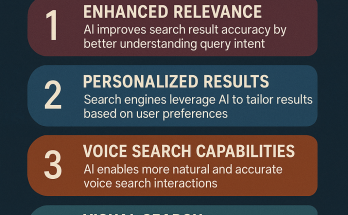
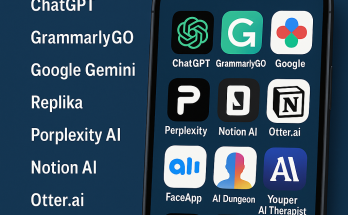
Looking ahead, marketing will continue to evolve as new technologies emerge. One of the most exciting developments in marketing is the integration of artificial intelligence (AI) and automation. AI tools can analyze large amounts of data, predict consumer behavior, and even generate content. Chatbots, for example, are already transforming customer service by providing instant responses to inquiries.
Automation is also helping businesses streamline their marketing efforts. With the rise of marketing automation platforms like HubSpot and Mailchimp, companies can automate tasks like email campaigns, social media posting, and customer segmentation. This allows marketing teams to focus on strategy while the technology handles repetitive tasks.
Personalization will continue to be a dominant theme in marketing. As AI and machine learning improve, brands will be able to deliver even more tailored experiences to consumers, predicting their needs and desires before they even know them. For instance, personalized product recommendations on e-commerce sites and dynamic ads that adapt based on user behavior are already changing the marketing landscape.
Challenges in Modern Marketing
Despite the tremendous opportunities technology presents, modern marketing also comes with its challenges. Privacy concerns, especially with the rise of data breaches and the implementation of regulations like GDPR, have made it harder for businesses to collect and use customer data. Additionally, the increasing use of ad-blockers has raised concerns about how effective digital advertising will remain in the future.
Moreover, with the sheer amount of content being produced online, standing out in the crowded digital space has become harder. Brands need to be more creative, authentic, and value-driven to capture and retain the attention of their audience.
Conclusion: Marketing in an Ever-Changing World
Marketing has undergone a massive transformation over the past few decades. What began as a one-way street of mass advertising has evolved into a highly dynamic, interactive, and data-driven ecosystem. As technology continues to advance, marketers must remain agile, embracing new tools and techniques while staying focused on the ultimate goal: connecting with customers and providing value.
In the digital age, the key to successful marketing lies in understanding your audience, personalizing experiences, and utilizing data to inform decisions. As new trends like AI and automation reshape the landscape, marketing will continue to evolve. However, at its core, marketing will always be about building relationships and delivering meaningful, relevant content that resonates with consumers.
Let me know if you would like any specific section expanded or need additional insights on any aspect of marketing!